Choosing Mortality: Circe, by Madeline Miller
Every "good" is an ambiguous good. Life without end is also without the care for life, especially for the life of another, that makes love possible.
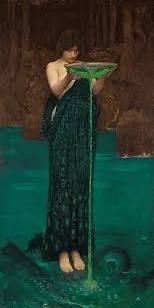
Is mortality in any way preferable to eternal life? Madeline Miller's "Circe," portrays the vanity of the gods in such a way as to suggest that their entire lives are in vain. They cannot love because they don't have any real skin in the game of life. Every "good" is an ambiguous good. Life without end is also without the care for life, especially for the life of another, that makes love possible. Circe's "pharmakon" is both medicinal and poisonous. It cannot give her the love for which she yearns. The love she seeks can only be hers as she renounces her claim to immortality and embraces her self-sacrificial yearning for the good of others.
Member discussion